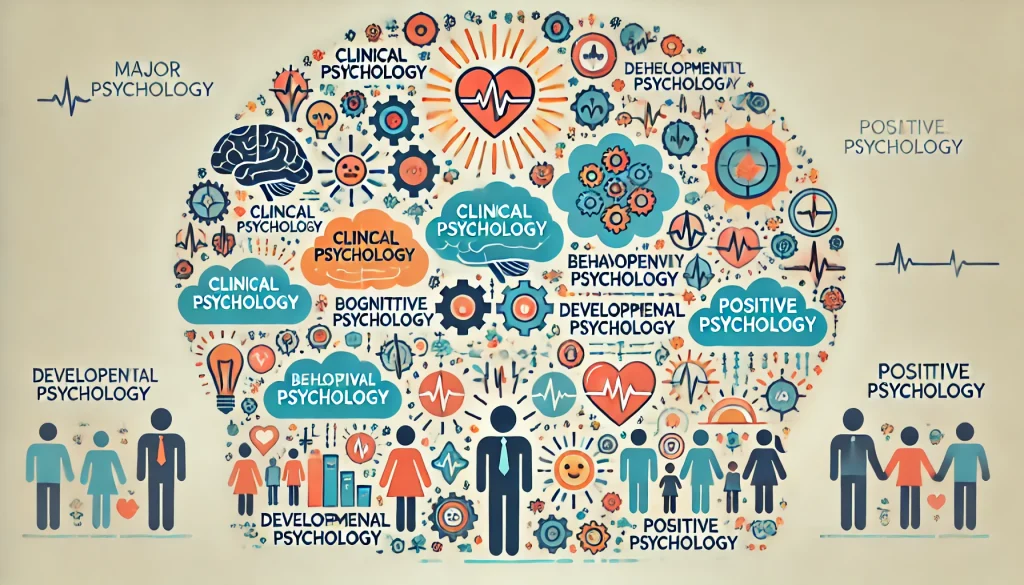
Psychology plays a pivotal role in understanding mental health, shaping our perceptions, and fostering personal growth. By exploring human behavior, thoughts, and emotions, psychology offers tools to cope with stress, improve mental well-being, and achieve a balanced life. As society becomes more aware of mental health’s importance, psychology continues to gain recognition as a fundamental science with transformative potential for individuals and communities.
Understanding Mental Health Through Psychology
Mental health encompasses emotional, psychological, and social well-being, affecting how we think, feel, and interact. Psychology helps us understand mental health conditions by examining the underlying causes and triggers. Anxiety, depression, bipolar disorder, and other conditions are not simply “bad days” or personality flaws—they stem from complex interactions between genetics, environment, and lifestyle. By researching these influences, psychologists can develop treatment methods tailored to each individual.
Therapies such as Cognitive Behavioral Therapy (CBT) and Dialectical Behavior Therapy (DBT) are results of psychological research and practice. These therapies have revolutionized mental health treatment by teaching patients to identify and alter harmful thought patterns, providing them with coping mechanisms to navigate life’s challenges. By treating mental health as a priority, psychologists help patients improve their quality of life and minimize the impact of mental health issues on their daily functioning.
Psychology and Personal Growth
Psychology isn’t only about addressing mental health challenges—it also offers tools for personal growth. Positive psychology, a subfield focused on strengths and well-being, empowers individuals to achieve a fulfilling life by cultivating positive emotions, resilience, and meaning. It emphasizes the idea that mental health is more than just the absence of illness; it’s the presence of positive experiences, such as joy, gratitude, and a sense of purpose.
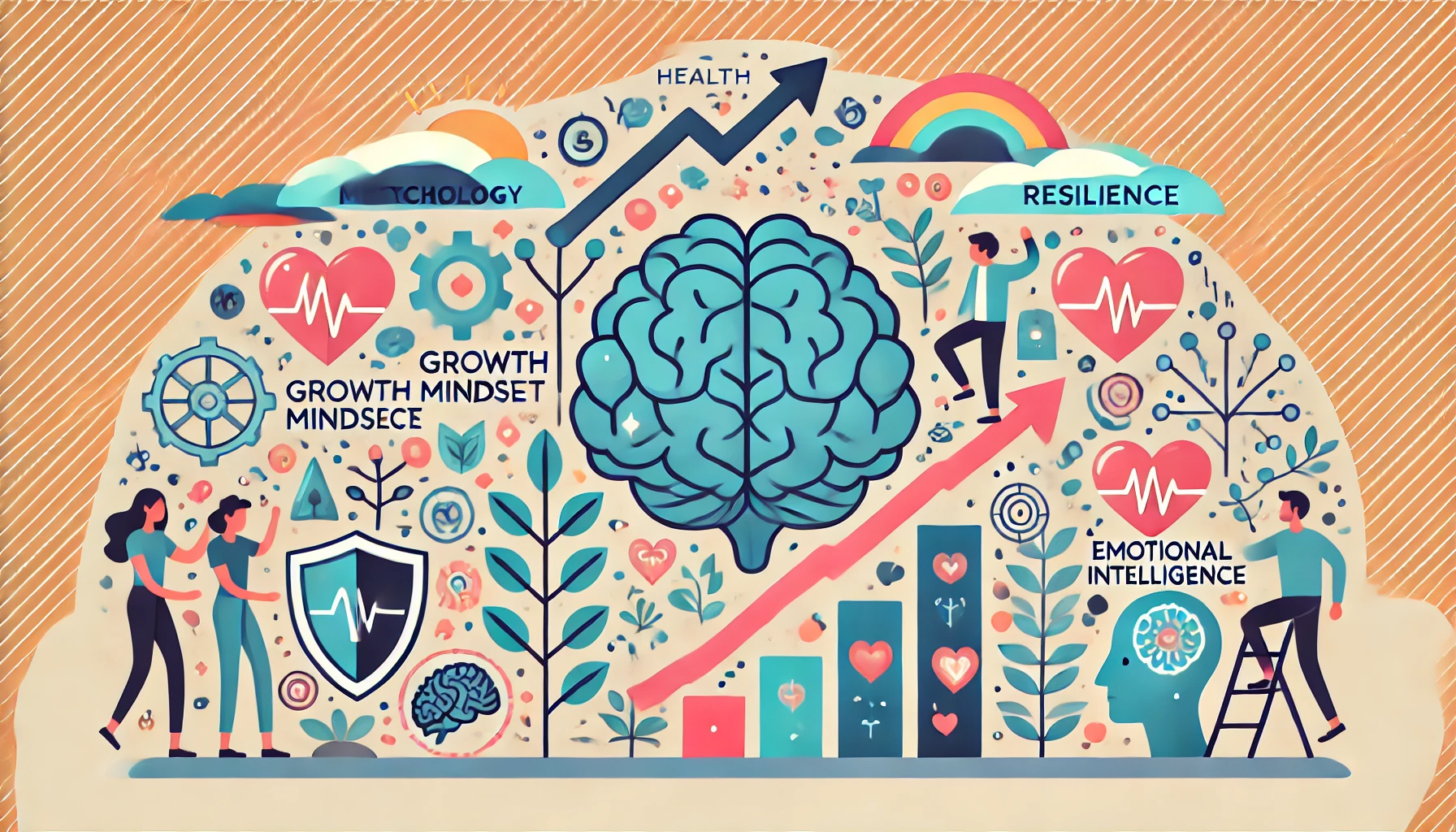
One concept in positive psychology is the “growth mindset,” which refers to the belief that talents and abilities can be developed through dedication and hard work. Studies have shown that people with a growth mindset are more likely to embrace challenges, learn from criticism, and persist in the face of obstacles. This mindset leads to greater resilience, self-confidence, and achievement. By fostering a growth mindset, psychology encourages individuals to view failures as opportunities to learn rather than as setbacks, enhancing their ability to achieve personal and professional goals.
Building Resilience and Emotional Intelligence
Psychology also contributes to resilience—the capacity to recover from difficulties and adapt to change. Psychologists encourage practices like mindfulness, self-compassion, and self-reflection, which allow individuals to manage stress effectively. Mindfulness-based practices, for example, help people become more aware of their thoughts and emotions, reducing stress and increasing emotional stability.
Emotional intelligence, another area of focus in psychology, is the ability to recognize, understand, and manage our own emotions while empathizing with others. Research shows that emotional intelligence improves relationships, strengthens communication, and fosters empathy, leading to healthier interpersonal connections. People with high emotional intelligence are better equipped to navigate social complexities, manage conflicts, and find constructive solutions.
Psychology’s Lasting Influence
In a world where stress and uncertainty are common, psychology provides invaluable resources for maintaining mental well-being and promoting growth. Its insights offer guidance on handling challenges, fostering resilience, and building positive relationships. With continued advancements in research, psychology remains a beacon for those seeking to improve their mental health, reach their potential, and lead meaningful lives. Through its principles, psychology encourages us to understand ourselves and each other, creating a foundation for a healthier, more compassionate society.